PROGRAMME PROFILE
At a glance
- Organiser
- Wharton Global Youth / University of Pennsylvania
- Destination
- United States
- Format & duration
- On campus · 3 weeks
- Age / stage
- Grade 10–11
- Type
- Academic courses
- Information year
- 2027
Sources checked: 2026-11-10 · Facts and editorial guidance are labelled separately
Learning and approach
- Data preparation and visualisation
- Statistical inference and model assessment
- Machine learning and responsible data use
Academic content in depth
The academy moves from data preparation, visualisation, probability and regression or classification toward machine learning. The current curriculum uses R primarily, with selective Python use for deep learning and language-model topics. Model assessment, bias, fairness and communication matter alongside coding: the goal is to understand how data supports a conclusion.
Classes, assignments and workload
Published activities include lectures, demonstrations, guided labs, real-data tasks, teaching-assistant support and a team capstone showcase. Current eligibility targets grades 10–11 with strong mathematics and coding; statistics experience is helpful. Completion earns a certificate. Tools and cases evolve, so a named technology should not be mistaken for a permanent syllabus promise.
Eligibility and international applicants
For current grade 10 or 11 students with strong mathematics and coding skills; statistics experience is helpful. Students worldwide may apply, subject to the current official documentation and criteria.
Dates and costs
Schedule
Current dates await publication or further verification.
Costs
Current full costs require verification. Check tuition, accommodation, meals, insurance and travel inclusions.
Fit and preparation
Consider it if you enjoy both quantitative reasoning and coding. A small public-data project is useful preparation, especially if you can explain the limitations of the data.
Application preparation
Prepare a small analysis that defines a question, identifies the data source, handles missing values, visualises patterns and explains the model’s limits. Reading and debugging your own code matters more than naming many algorithms. Describe mathematics, programming practice and lessons from imperfect data without inventing advanced AI research.
Choosing well and reflecting on outcomes
The programme may suit students combining mathematics and coding to investigate real questions. Those seeking basic computer instruction may need foundational preparation first. Useful outcomes include reproducible code, data documentation, evaluation and an accurate account of personal contribution. Follow course rules when datasets involve personal information.
Frequently asked questions
Is Python alone enough preparation?
No. Mathematics and statistical reasoning are central, and the current primary teaching language is R.
Must I already master large language models?
Modern AI topics in the curriculum do not imply prior mastery is required; start with the stated mathematics, coding and statistics expectations.
How can I document my contribution?
Document the data preparation, analysis and explanations you personally contributed, including revisions and feedback.
Official sources and verification
- Official source 1 ↗globalyouth.wharton.upenn.edu
- Official source 2 ↗globalyouth.wharton.upenn.edu
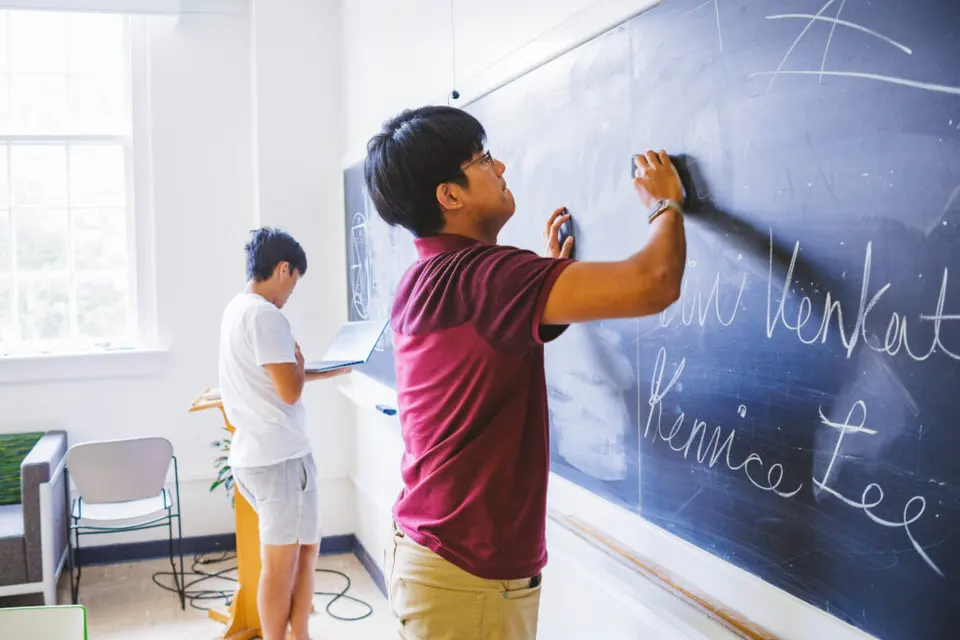
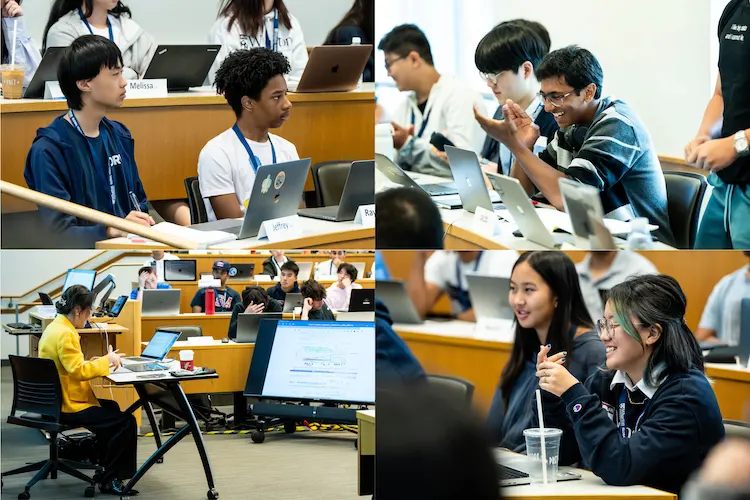
Check the relevant official edition for fees, eligibility and sessions. Images primarily use official programme or university material, with other sources credited separately. They illustrate programme or campus context, not a specific current-year class.