
PROGRAMME PROFILE
At a glance
- Organiser
- Brown University Pre-College
- Destination
- United States
- Format & duration
- Online / campus or hybrid · 1–5 weeks
- Age / stage
- 14–18
- Type
- Academic courses
- Information year
- 2026
Sources checked: 2026-11-10 · Facts and editorial guidance are labelled separately
Learning and approach
- Explore university-level topics
- Complete course-specific tasks
- Test your interests through discussion and independent work
Academic content in depth
Summer@Brown uses a broad non-credit course catalogue to support academic exploration and student choice. Areas span biology, engineering, computing, writing, psychology, social sciences and arts. Some courses include course-based research, but this does not make every Summer@Brown course a research placement.
Classes, assignments and workload
The published 2026 options include one- to three-week campus courses and a five-week hybrid format. A typical schedule involves about three class hours on five weekdays plus independent work, varying by course. Successful completion brings a digital certificate, with performance reports for courses of at least two weeks. It is distinct from Brown’s credit-bearing offerings.
Eligibility and international applicants
2026 reference: completing grades 9–12 and aged 14–18 by June 14, with course-specific prerequisites where applicable. Recheck eligibility for 2027.
Dates and costs
Schedule
Current dates await publication or further verification.
Costs
Current full costs require verification. Check tuition, accommodation, meals, insurance and travel inclusions.
Fit and preparation
Useful for comparing academic interests. Evaluate the individual course, including its teaching, workload and assignments.
Application preparation
Choose through course objectives and assignments rather than trying to fit every interest into one summer. Science may call for laboratory or mathematics preparation, humanities for English reading and discussion, and arts for course-specific portfolio checks. Verify each course separately instead of generalising one prerequisite to the whole programme.
Choosing well and reflecting on outcomes
This format may suit exploration and greater independence. Non-credit does not mean assignment-free, and quality should not be judged solely by a certificate. Keep work, feedback, questions and a follow-up reading plan. If formal credit is essential, compare programmes specifically designed to award it.
Frequently asked questions
Do one- and three-week courses have identical outcomes?
No. Depth, assignments and feedback vary, including the performance-report arrangement for courses lasting at least two weeks.
Do non-credit courses have no independent work?
No. The programme describes work outside class; use the specific syllabus to plan.
Can the 2026 age-reference date be used for 2027?
No. Historical information is labelled, and the new edition’s dates and age rules require confirmation.
Official sources and verification
- Official source 1 ↗precollege.brown.edu
- Official source 2 ↗precollege.brown.edu
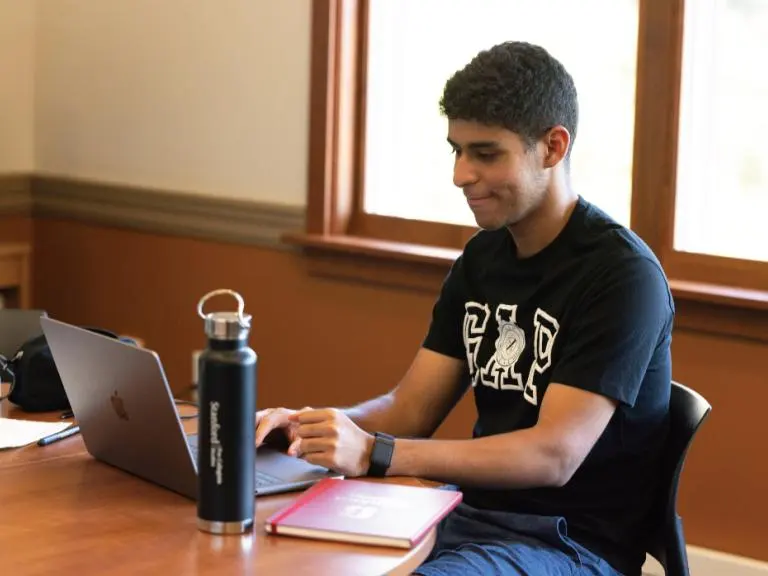
Check the relevant official edition for fees, eligibility and sessions. Images primarily use official programme or university material, with other sources credited separately. They illustrate programme or campus context, not a specific current-year class.