PROGRAMME PROFILE
At a glance
- Associated institution
- University of Pennsylvania, School of Arts and Sciences
- Destination
- United States
- Format & duration
- On campus · 3 weeks
- Age / stage
- 9–11 (current grade)
- Type
- Academic courses
- Information year
- 2026
Sources checked: 2026-11-11 · Facts and editorial guidance are labelled separately
Learning and approach
- Connect the biological foundations of the nervous system with higher-level brain function.
How the programme works
Students explore neurons, sensory systems, memory and emotion. Research-paper discussion and neuroethics link evidence to the implications of neuroscience.
Eligibility and international applicants
The residential, non-credit 2026 academy welcomed international students in grades 9–11.
Dates and costs
Schedule
Current dates await publication or further verification.
Costs
Current full costs require verification. Check tuition, accommodation, meals, insurance and travel inclusions.
PROVIDER INFORMATION
Details from the provider
Grade and age
- Eligibility: Current 9th-11th grade students Official source ↗
Application materials
- Items listed in the application instructions: school transcript. Official source ↗
- Application materials include a school transcript. Official source ↗
Session dates
- Program dates: July 11 - August 1, 2026 Official source ↗
Grades and credit
- Residential, non-credit program Official source ↗
Academic programme
- Topics or methods mentioned in the programme description: Neuroscience. Official source ↗
- Learning activities listed by the programme: journal club. Official source ↗
Explore the official pages
Fit and preparation
Review neural signalling and choose a behavioural or disease-related question for further reading.
Try this before you apply
For a memory study, write one experimental question and one question that requires ethical judgement.
Frequently asked questions
Will students read research papers?
Yes. The programme describes paper discussions and presentations alongside neuroethics.
Official sources and verification
- Official source 1 ↗hs.sas.upenn.edu
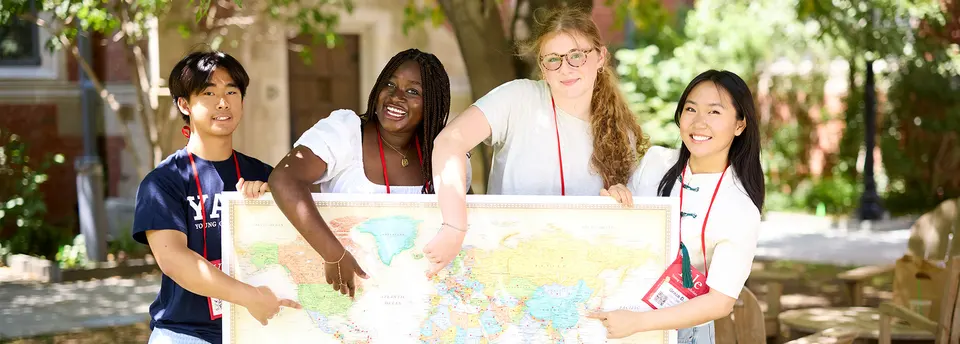
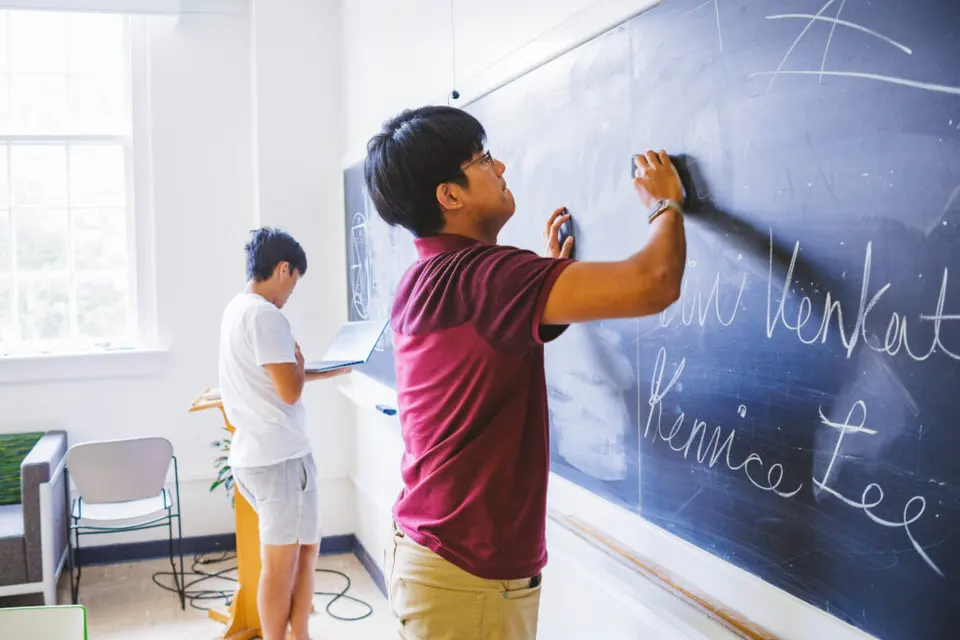
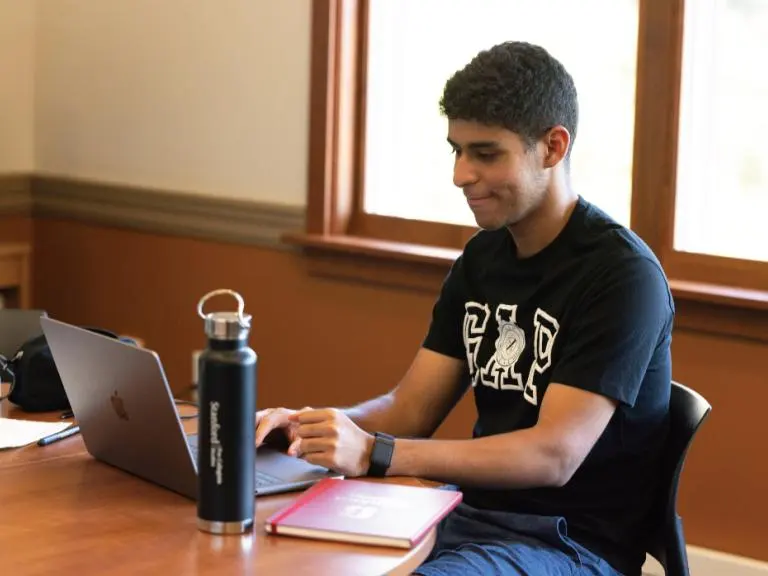
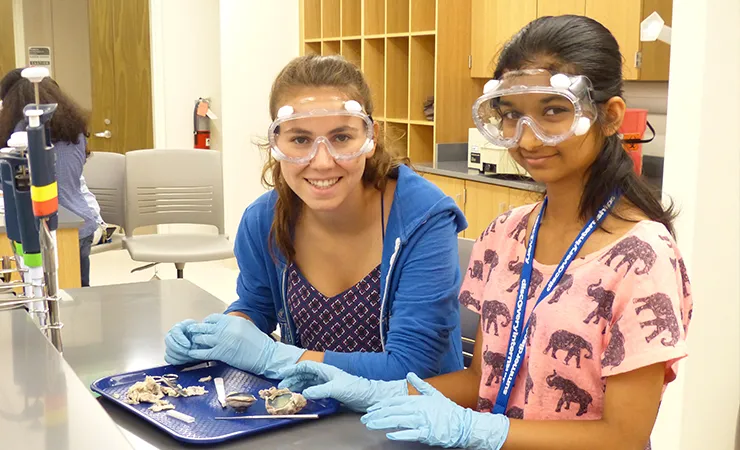
Check the relevant official edition for fees, eligibility and sessions. Images primarily use official programme or university material, with other sources credited separately. They illustrate programme or campus context, not a specific current-year class.