
PROGRAMME PROFILE
At a glance
- Organiser
- Johns Hopkins Engineering
- Destination
- United States
- Format & duration
- Online / campus or hybrid · 4 weeks
- Age / stage
- High school
- Type
- Academic courses
- Information year
- 2027
Sources checked: 2026-11-10 · Facts and editorial guidance are labelled separately
Learning and approach
- Civil, chemical, mechanical and materials topics
- Design, testing and problem-solving
- Communicate engineering decisions using evidence
Academic content in depth
Explore Engineering Innovation introduces design, testing, analysis and iteration across civil, chemical, mechanical, computing and materials topics. Published examples include a spaghetti-bridge challenge, engineering ethics and chemical-process work. The value lies in exploring shared engineering methods rather than completing an entire engineering discipline in one short programme.
Classes, assignments and workload
Available arrangements include online, hybrid, commuting and residential formats, with annual site checks required. Team activities connect mathematics, science and communication. Three university credits are available subject to the stated requirements. Enrolment, successful assessment and credit completion are separate stages.
Eligibility and international applicants
Expected preparation includes algebra II, trigonometry and high-school chemistry or physics. International participation rules differ between in-person, hybrid and online formats.
Dates and costs
Schedule
Current dates await publication or further verification.
Costs
Current full costs require verification. Check tuition, accommodation, meals, insurance and travel inclusions.
Fit and preparation
A fit for students who enjoy testing ideas. Match both your prerequisite knowledge and your circumstances to the chosen delivery format.
Application preparation
Document a small design iteration: define constraints, build or simulate, measure results and explain revisions. Review algebra, geometry and relevant sciences against the official prerequisites. Engineering ethics also matters; practise discussing safety, resources and user needs rather than judging a design only by whether it works.
Choosing well and reflecting on outcomes
It may suit students who enjoy practical work and analysis but have not chosen an engineering specialty. Compare materials, equipment, time zones, housing and supervision across formats. A useful outcome is a design record showing test data, failures and revisions rather than only a photograph of the final model.
Frequently asked questions
Is the spaghetti bridge only a craft activity?
The described activity combines material behaviour, structural reasoning, simulation and load testing to improve a design through evidence.
Does every location provide residential study?
No. Check each site and format; commuting and online courses do not automatically include housing.
Will other institutions automatically recognise the credits?
No. Recognition is determined by the receiving institution; retain official records and course materials.
Official sources and verification
- Official source 1 ↗ei.jhu.edu
- Official source 2 ↗ei.jhu.edu
- Official source 3 ↗ei.jhu.edu
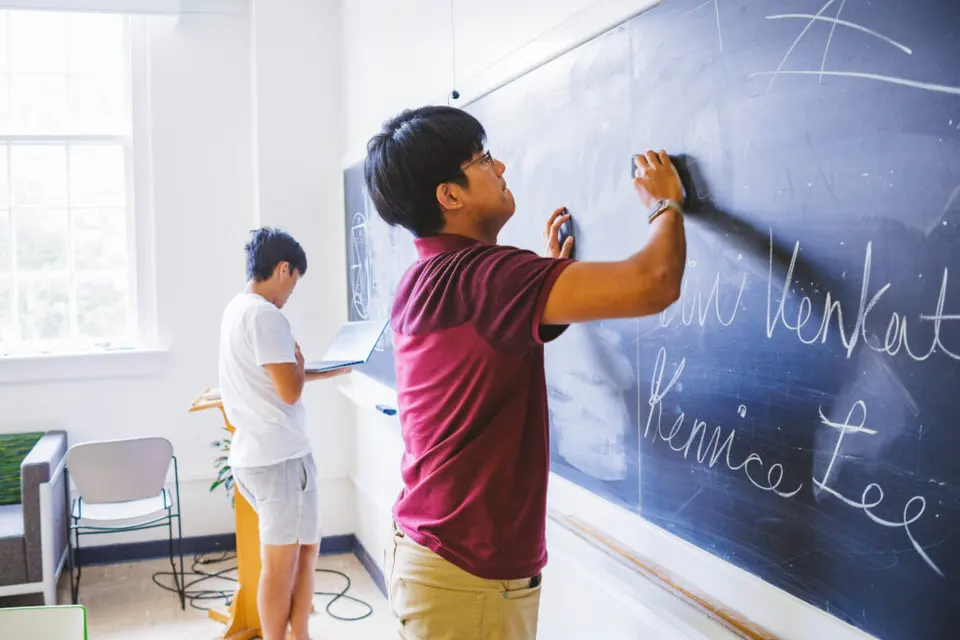
Check the relevant official edition for fees, eligibility and sessions. Images primarily use official programme or university material, with other sources credited separately. They illustrate programme or campus context, not a specific current-year class.